
Debrief
Fewer children are changing the economics of play.
Europe is having fewer children. The toy market is not simply shrinking with them. Growth is increasingly coming from higher spend per child, licensed and collectible products, and adults buying toys for themselves.
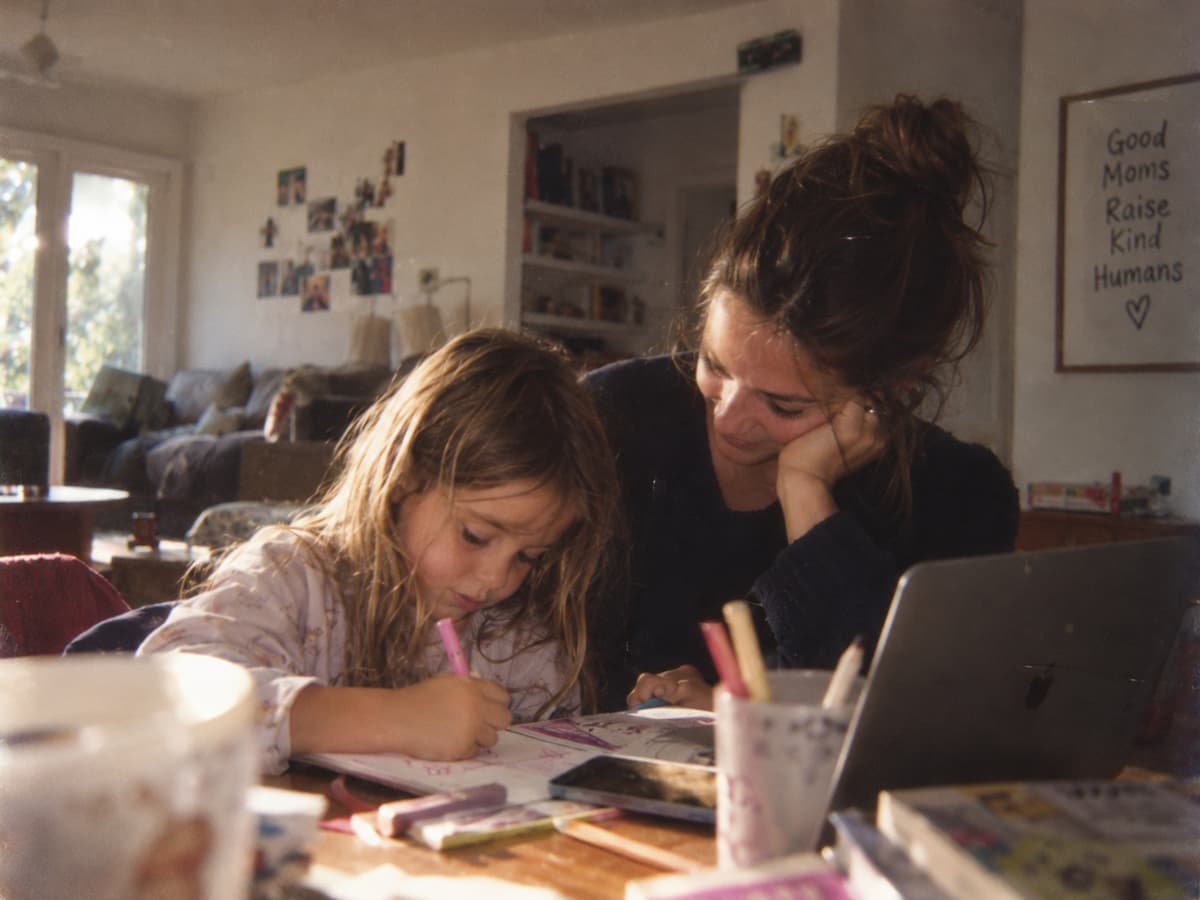
The toy market is not losing its audience. It is becoming multigenerational.
What we found
The demographic direction in Europe is clear.
The EU fertility rate fell to 1.34 live births per woman in 2024, its lowest level since the EU series began in 2001. Spain stood at 1.10 and Italy at 1.18.
At first glance, that looks like an obvious structural problem for children’s categories.
Fewer births should mean fewer consumers.
But the toy market is telling a more complicated story.
Circana’s 2026 Global Toy Report values the global toy market at $123 billion after 8% growth in 2025. Children under 10 still represent the majority of sales, but their share is gradually declining. Consumers aged 15+ now represent around 18% of global toy sales, and sales to that group have risen 111% since 2020.
Circana also notes that growth in developed markets has increasingly come from higher spend per child.
Fewer children are not making play economically irrelevant.
They are changing where growth comes from.
The Famdom read
The child economy has never really been only about the child.
A toy may be used by one child, but the decision can involve a parent, another parent, grandparents, siblings, relatives, friends, creators, fandoms and the child themselves.
When families have fewer children, that network does not disappear.
The attention around each child can become more concentrated.
So can expectations.
A product may be expected to last longer, teach more, carry a stronger licence, justify a premium price, work across ages or become meaningful enough to be remembered.
For companies, the opportunity is not to extract more money from fewer children.
It is to create more genuine value around each family relationship.
Spend per child is not the same as value per child
Higher spend per child can be a dangerous metric if it becomes the strategy.
Families do not experience “spend per child”.
They experience birthdays, Christmas, school, rewards, rainy afternoons, grandparents visiting, sibling negotiations and the small decisions that make something feel worth buying.
More money in the category does not automatically mean families will accept more products.
It can mean the opposite.
When there are fewer purchases or more adults involved in the decision, expectations can rise.
The product has to earn its place.
More adults are entering play from the other side
Demographic change is only half the story.
The definition of who toys are for is expanding.
Consumers aged 15+ now account for nearly one fifth of global toy sales, according to Circana, and their spending has more than doubled since 2020.
Collectibles, trading cards, building sets, games and licensed products are increasingly serving play, fandom, nostalgia, creativity and social connection at the same time.
This is not simply adults buying children’s products.
It is the toy category becoming part of adult culture.
That changes the size of the market, and the meaning of play.
The same IP can now travel through three generations
A multigenerational toy economy creates a different kind of IP opportunity.
A grandparent may know the original character. A parent may carry nostalgia for a later version. A child may discover it through streaming, gaming, social or a new product.
The same property can therefore carry memory, identity and novelty at once.
That is powerful.
But only when companies understand that the generations are not buying for the same reason.
Nostalgia is not a child insight. Play is not only a child behaviour. Fandom is not owned by one age group.
The IP has to let each generation enter from its own door.
Premiumisation needs a better reason than scarcity
Fewer children and higher spend per child can tempt companies towards a simple premiumisation strategy.
Make it bigger. Make it limited. Add a licence. Raise the price.
Sometimes that works.
But premium value is strongest when it reflects a deeper family role.
A building set can become shared time. A collectible can become identity. A game can become a ritual. A character can connect generations. A durable product can move from one sibling to another.
The price is easier to defend when the product creates more than one kind of value.
Education, toys and consumer brands are feeling the same demographic pressure
The underlying shift reaches beyond toys.
Education businesses compete for fewer children in low-fertility markets. Children’s entertainment competes for attention around a smaller youth population. Family consumer brands face changing household structures and later parenthood. Retailers have to understand a purchase ecosystem in which older relatives and adult children may matter more.
The response cannot simply be “sell more to parents”.
The family decision system is broader than that.
The companies that understand who influences, legitimises, pays, uses and repeats will have more ways to grow than those that define the market by age alone.
Kidult is not a side category
The kidult boom is often described as an adjacent opportunity.
We think it is more structural.
It shows that categories built around childhood can keep creating value long after childhood ends.
A character becomes nostalgia. A toy becomes a design object. A game becomes a social ritual. A collectible becomes identity. A childhood licence becomes something an adult introduces to their own child.
That creates a loop between generations.
Today’s child buyer can become tomorrow’s adult buyer, gift-giver, parent, collector and transmitter of fandom.
Family life stretches the commercial lifetime of meaning.
What companies should build now
Design for more than one decision-maker.
Understand which adults are buying for the child and which are buying for themselves. Build products that can create shared play rather than only age-segmented play. Use licensing to connect generations without assuming nostalgia works on children. Give grandparents, siblings and extended family meaningful roles in the purchase journey. Make premium products earn their premium through durability, experience, identity or ritual. Treat kidults as a core audience where the category supports it, not as a novelty activation. And test whether the product still matters when the demographic tailwind disappears.
The future of family categories will be won by companies that understand the whole household economy around the user.
What this means for family-first companies
A falling birth rate can make a category look smaller from the outside.
From inside family life, the picture is more interesting.
There may be fewer children. But each child still sits inside a network of relationships, decisions, gifts, expectations and memories.
At the same time, adults are keeping play in their own lives for longer.
That gives companies two growth questions instead of one:
How do we create more value around the children and families already here?
And how do we keep creating value when those children grow up?
The answer to both starts in the same place.
Do not build for an age bracket.
Build for the role your product can earn in family life.
Inside this Debrief
- Why falling fertility does not translate directly into a smaller toy economy
- How higher spend per child changes expectations, not just price
- Why consumers aged 15+ are becoming structural to toy growth
- How one IP can carry different meanings across three generations
- Why premiumisation needs a stronger family role than scarcity
- What toys, education and family consumer brands should build for low-fertility markets
Sources and verification
- Circana, 2026 Global Toy Report and market summary, 8 June 2026.
- Circana, “Who’s Really Driving Toy Growth? Four Category Trends at Play”, 23 June 2026.
- Circana, global toy industry 2025 performance, 27 January 2026.
- Eurostat, fertility statistics for 2024, published 6 March 2026 and updated September 2026.
- Eurostat, Demography of Europe, 2026 edition.
Editorial note: The data supports two simultaneous structural shifts: lower fertility in Europe and increasing toy demand from older consumers, alongside higher spend per child in developed markets. This Debrief does not claim that falling fertility directly causes higher spending per child or kidult growth. The interpretation of how those shifts change family decision systems, premium value and multigenerational opportunity is Famdom Observatory’s editorial view.
Full Debrief
Get the full Debrief
Leave your details and the full Debrief is yours: the fieldwork, the three learnings and what a brand does with them.
That did not go through. Please check your details and try again.
Also in the Observatory
 Debrief Guzi is fandom made physical. China’s guzi boom shows what happens when IP leaves the screen and earns a place in everyday life.
 Debrief The most digital trend of 2026 is wanting less digital. The winning family brand is not anti-screen. It creates something worth leaving the screen for.
Questions about this piece
Is the toy market shrinking as Europe has fewer children?
Not simply. The EU fertility rate fell to 1.34 live births per woman in 2024, its lowest since the series began in 2001. Yet Circana values the global toy market at $123 billion after 8% growth in 2025. Growth in developed markets has increasingly come from higher spend per child, licensed and collectible products, and consumers aged 15+ buying toys for themselves.
What does this shift mean for family-first companies?
A child still sits inside a network of parents, grandparents, siblings and relatives who influence, pay for and repeat purchases. At the same time, adults keep play in their lives for longer. The Debrief argues companies should design for more than one decision-maker, make premium products earn their premium through durability, experience, identity or ritual, and build for the role a product can earn in family life rather than an age bracket.
How important are kidults to toy growth?
According to Circana, consumers aged 15+ now account for around 18% of global toy sales, and sales to that group have risen 111% since 2020. The Debrief sees this as structural rather than a side category: a childhood licence can become nostalgia, a design object or something an adult later introduces to their own child, creating a loop of value between generations.